The Modern Era
1947–present
From the Partition of Punjab in 1947, through the events of 1984, to a global Sikh diaspora contributing across every field. The story remains open and ongoing.
Partition
The Partition of 1947 cut the Punjab in two. Millions of Sikhs were uprooted from ancestral homes in the west — among them Nankana Sahib, Guru Nanak’s birthplace, and Kartarpur — in one of the largest and most violent migrations in history.1,2
Independent India
In independent India the Punjabi Suba movement sought a Punjabi-speaking state, achieved when Punjab was reorganised on 1 November 1966. In 1984, the Indian Army’s Operation Blue Star at the Golden Temple, and the violence that followed, left deep and lasting wounds.1,2
A global community
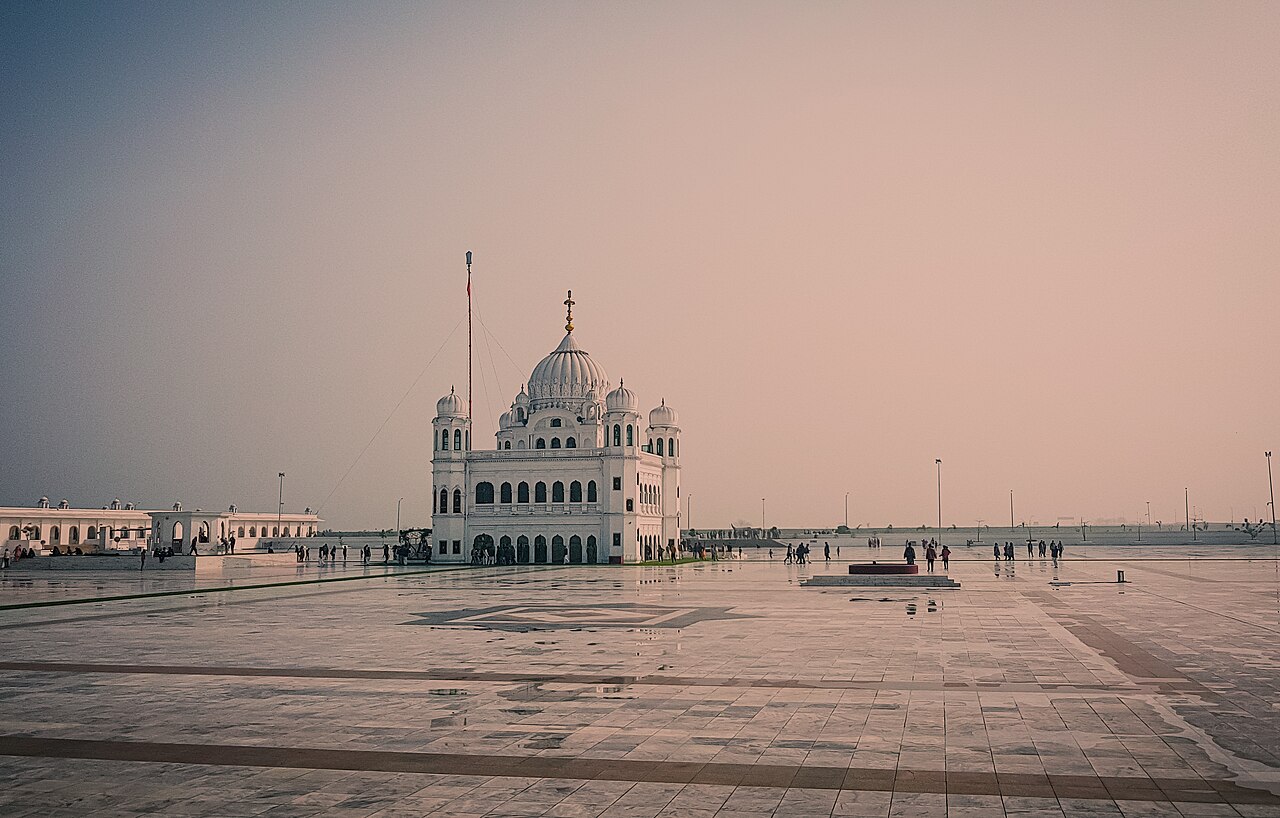
Today Sikhs form a global community — a diaspora across six continents, contributing in every field — while remaining bound to the Punjab. The opening of the Kartarpur Corridor in 2019 restored, for many, a path to one of the faith’s most cherished sites. The story remains open.1,2
In this chapter
- Partition of the Punjab1947
- The Punjabi Suba and the Reorganisation of 19661966
- Australia's First Gurdwara at Woolgoolga1968
- The Anti-Sikh Violence of November 19841984
- Operation Blue Star1984
- The Disappearance of Jaswant Singh Khalra1995
- Italy's First Purpose-Built Gurdwara Opens at Novellara2000
- Kartarpur Corridor Opens2019
- The Farmers' Protests2020
- The Attacks on Kabul's Gurdwaras2020
Last updated: